A SPECTRUM OF COLORS
Qualities of Gamblin Conservation Colors
Gamblin Conservation Colors are a palette of 50 colors that are stable, reversible and versatile: suitable for use with a wide array of painting styles and techniques. Their innovative low molecular weight aldehyde resin binder also makes Gamblin Conservation Colors safer to use for the conservator.
Conservation colors made from a low molecular weight resin binder have better optical properties and better handling properties than paints based on polymeric resin. Aldehyde resins are a more appropriate binder than most other low molecular weight resins because they are slightly polar and they wet pigments more easily.
Primary Qualities of Gamblin Conservation Colors
Stable Resin

Solvent Requirements
These colors have a low solvent requirement – Because the aldehyde resin is soluble in solvents of low polarity, you can greatly lower your exposure to strong solvents while retouching paintings. If at any time in the future it is necessary to remove the color it will redissolve in the same solvents, to help protect the original work. Many conservators use isopropanol as their diluent for in-painting.
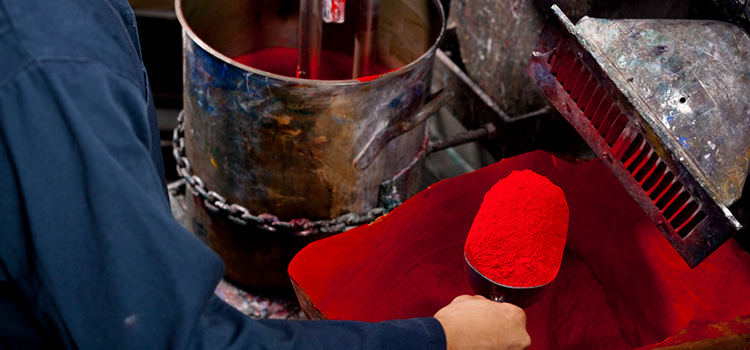
Fully saturated color
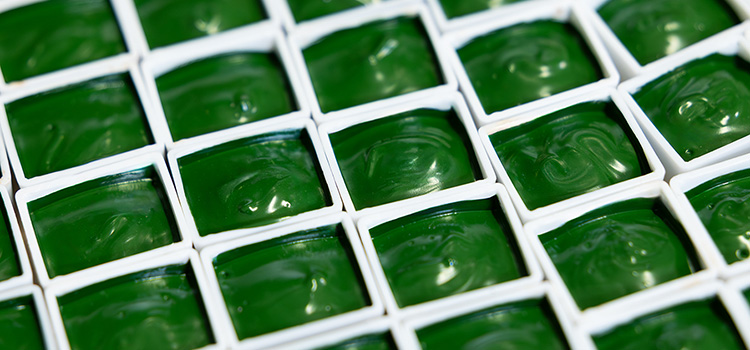
All colors lightfast
Only pigments of highest lightfastness are used (including modern substitutes for Alizarin Crimson, Indian Yellow, Sap Green, Van Dyke Brown, Naples Yellow and Brown Madder).
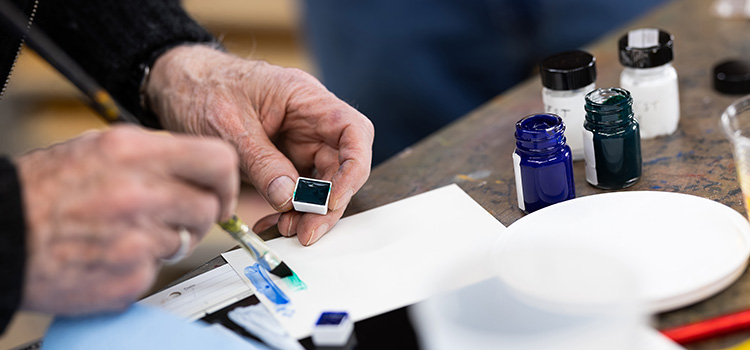
Excellent working properties
Robert Gamblin has applied his decades of making artist’s colors and oil painting to these colors so that their working properties facilitate your work of retouching.
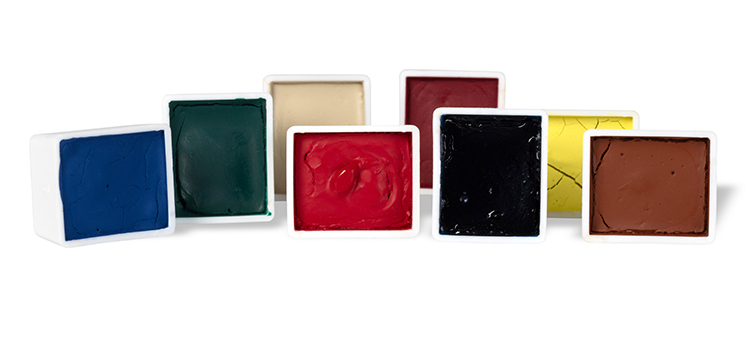
Convenient sizes
Colors are available in 15 ml jars and ½ pans. Both form factors contain the same formula. 15 ml jars are a wet color. ½ pans are dry color, the solvent is evaporated before packaging but the resin binder remains.

Chromatic arrangement of colors
Color Chart
All colors made with an aldehyde resin binder: Laropal® A-81, a product of the BASF Group, and lightfast pigments.
Click on each color to see it’s pigment id, and opacity rating.
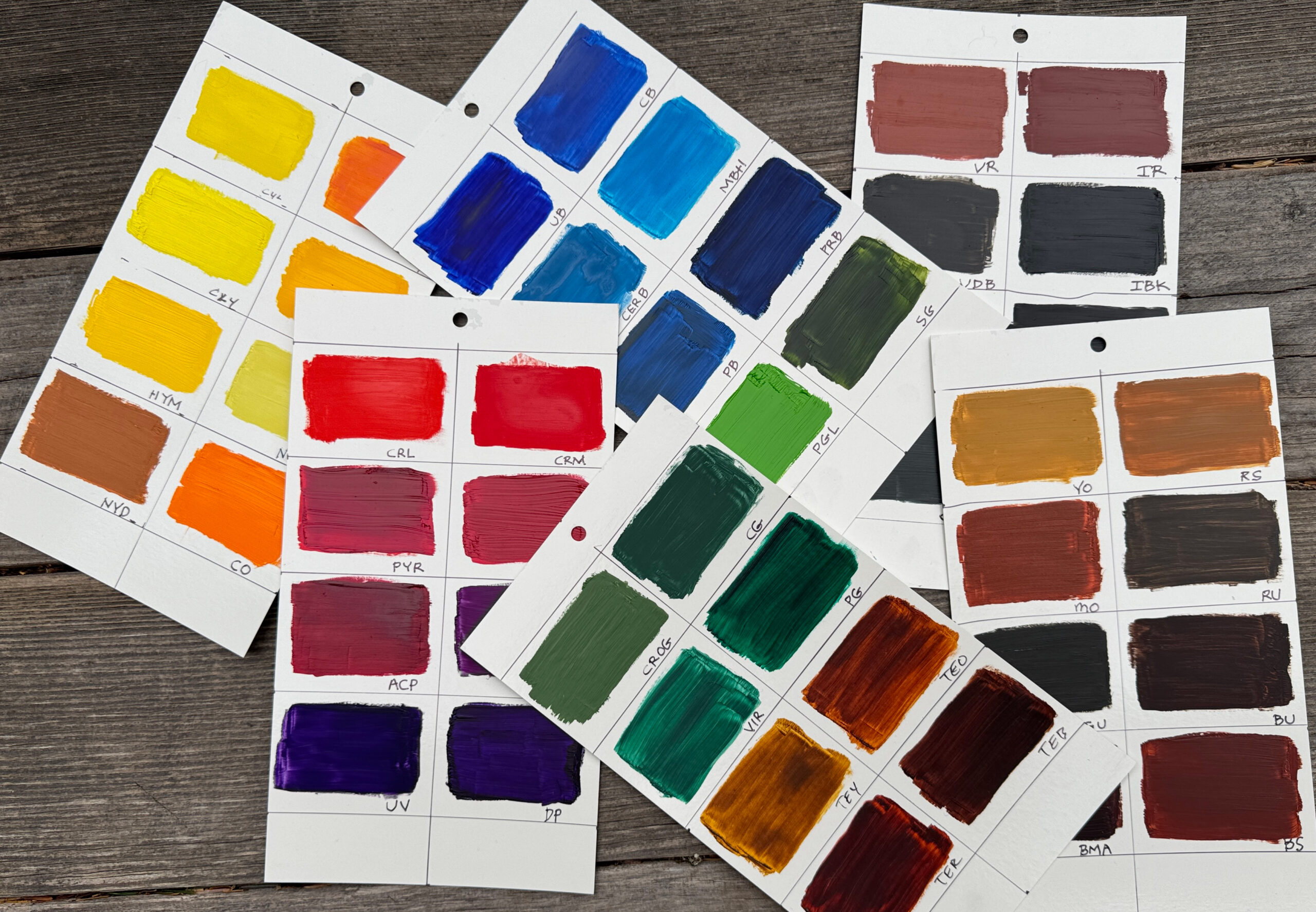
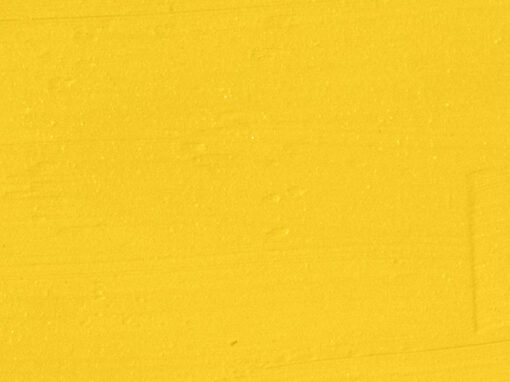
Cadmium Yellow Light ***
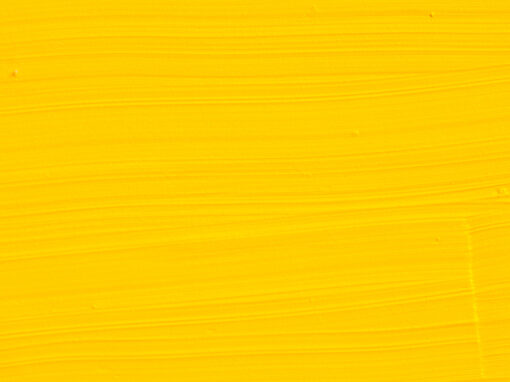
Cadmium Yellow Medium ***
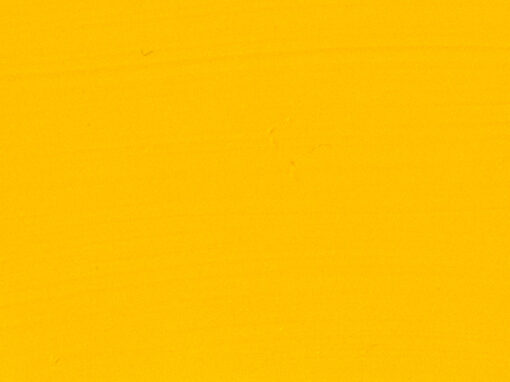
Hansa Yellow Medium **
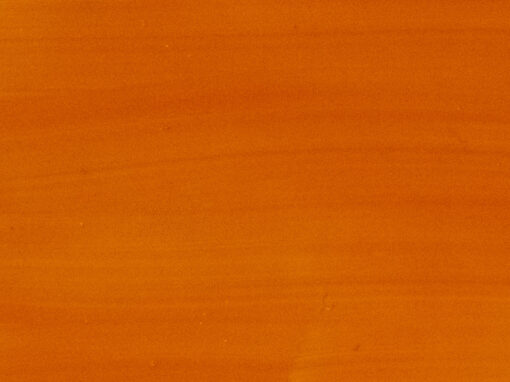
Indian Yellow Permanent *
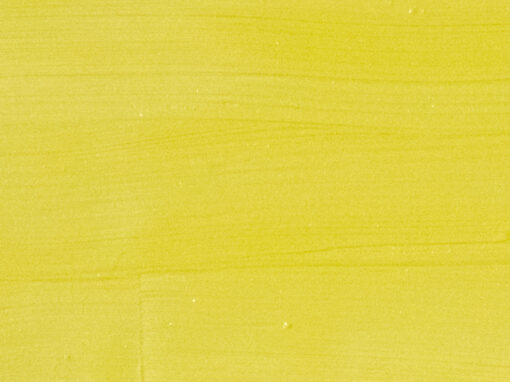
Naples Yellow Light ***
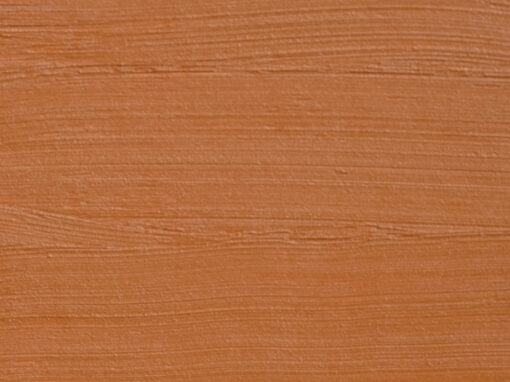
Naples Yellow Deep ***
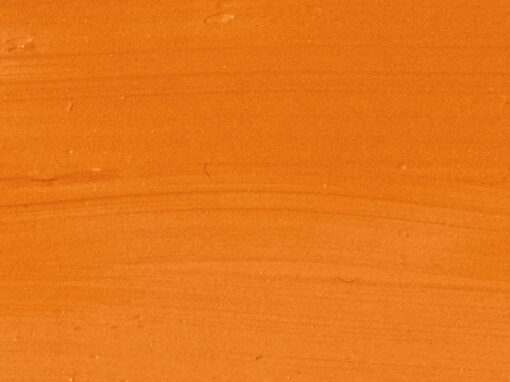
Cadmium Orange ***
Alizarin Orange
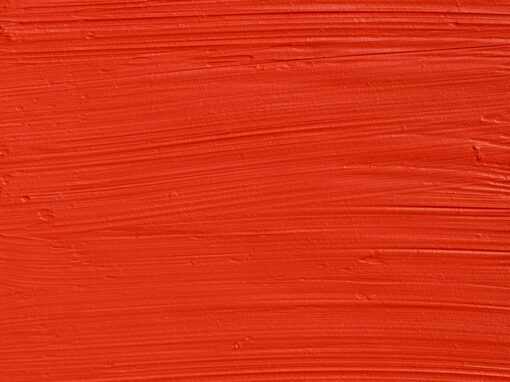
Cadmium Red Light ***
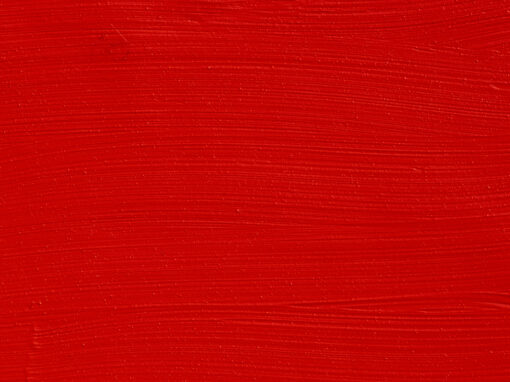
Cadmium Red Med ***
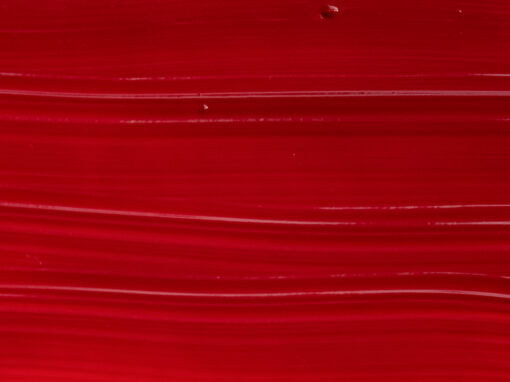
Dragon’s Blood *
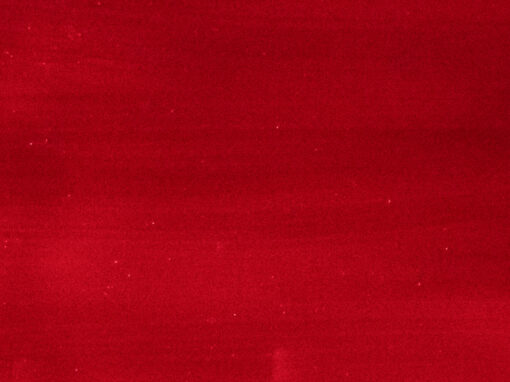
Alizarin Crimson Permanent *
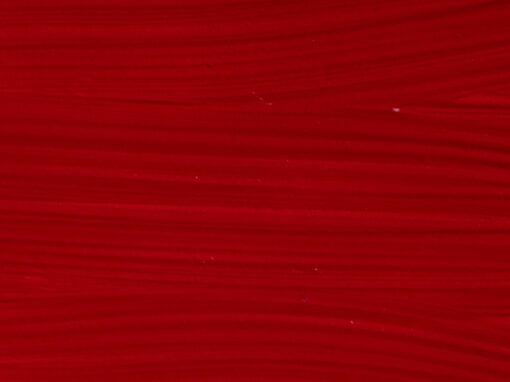
Quinacridone Red *

Manganese Violet
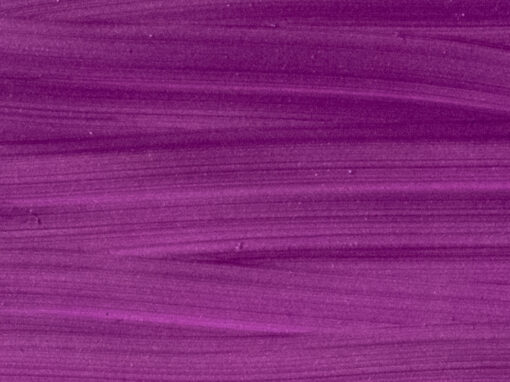
Cobalt Violet **
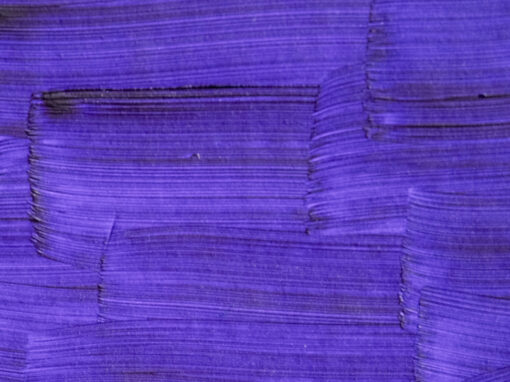
Dioxazine Purple *
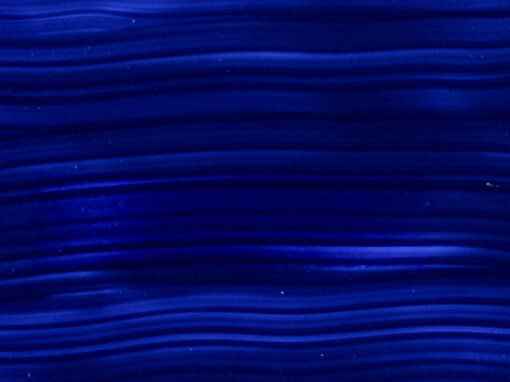
Ultramarine Blue **
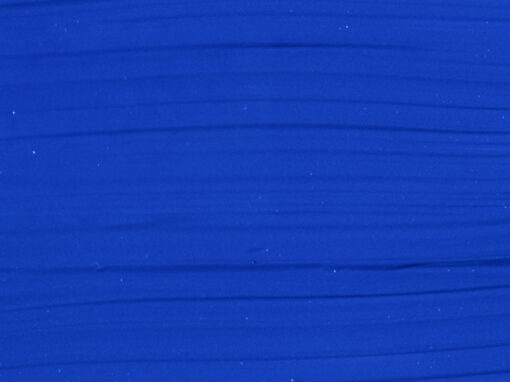
Cobalt Blue ***
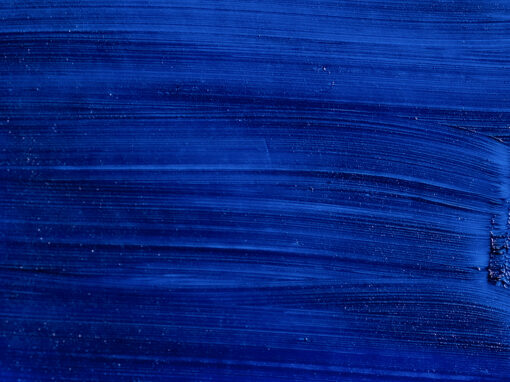
Phthalo Blue *
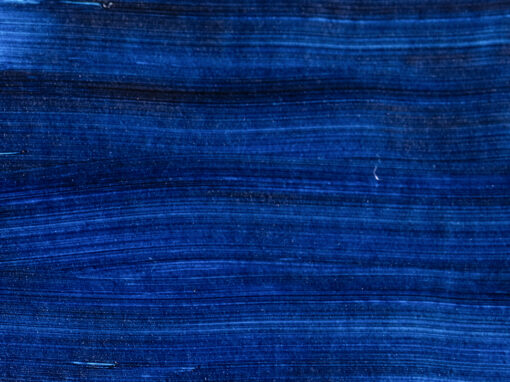
Prussian Blue **
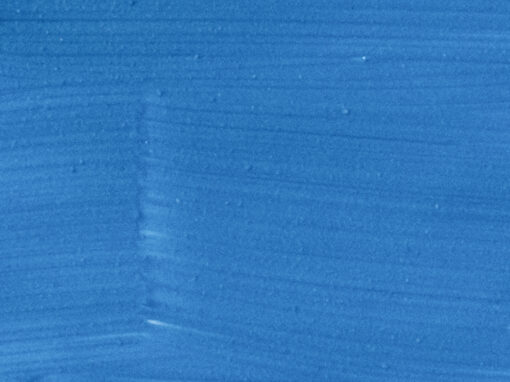
Cerulean Blue ***
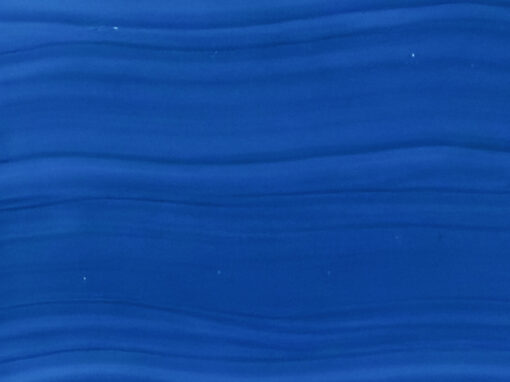
Manganese Blue Hue *
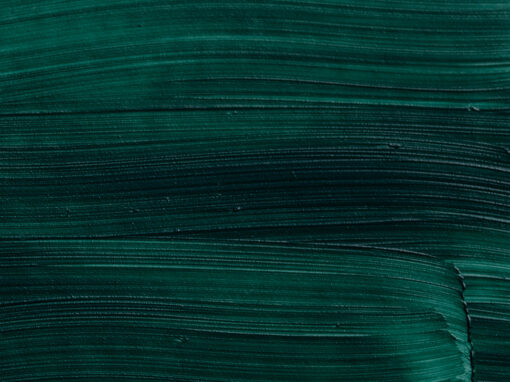
Veridian **
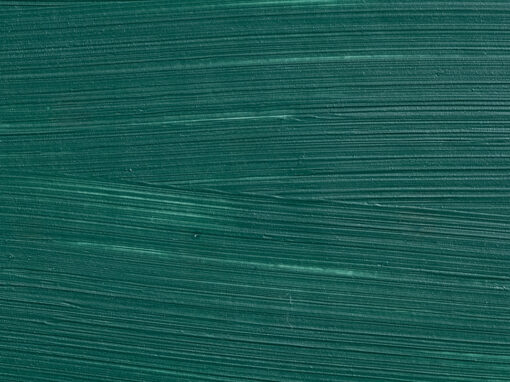
Cobalt Green ***
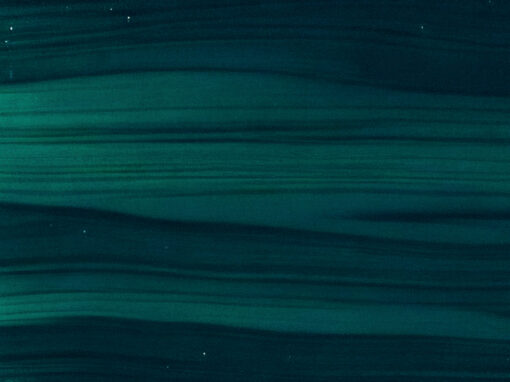
Phthalo Green *
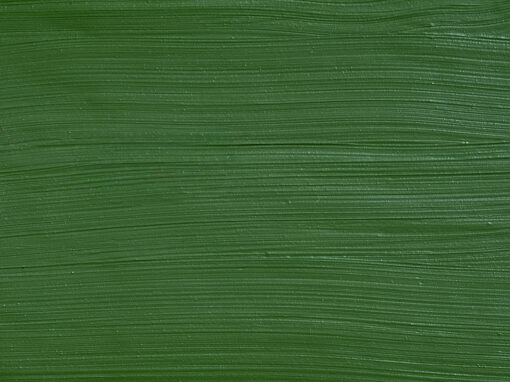
Chromium Oxide Green ***
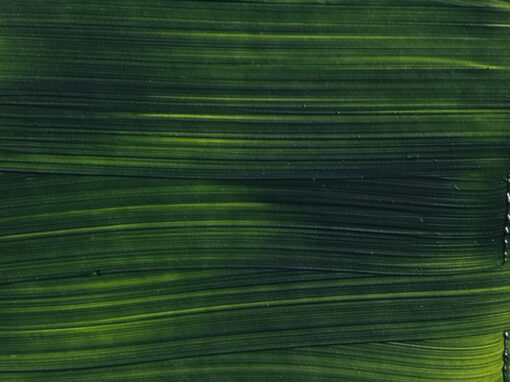
Sap Green *
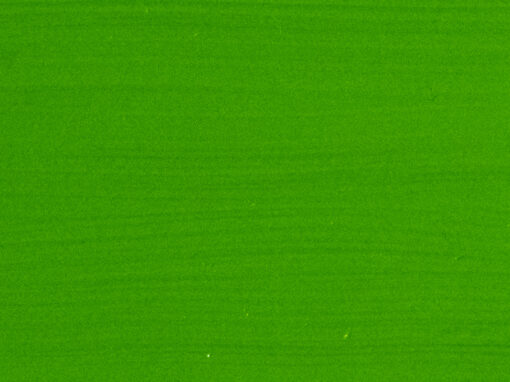
Permanent Green Light **
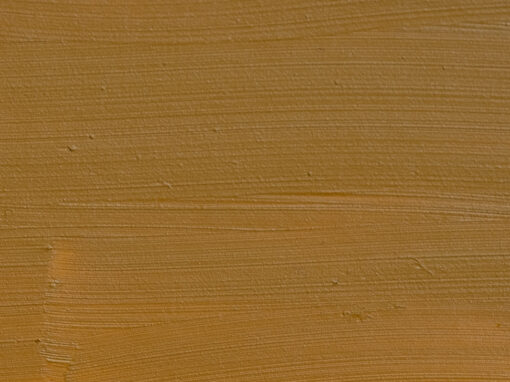
Yellow Ochre **
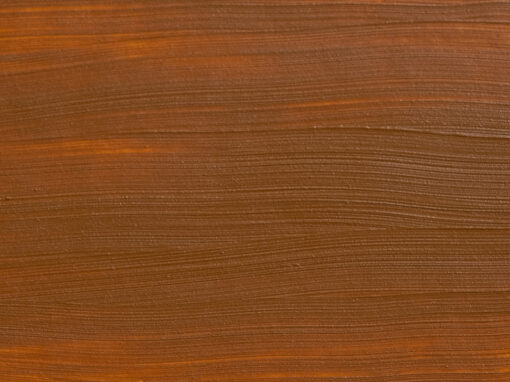
Raw Sienna **
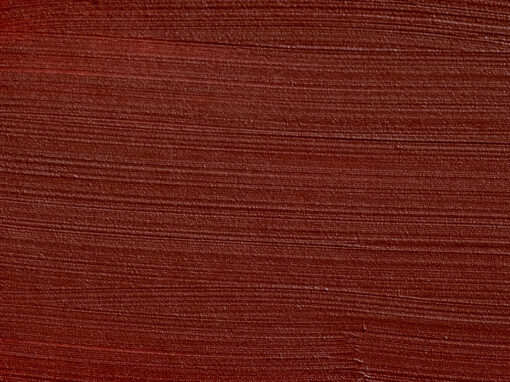
Burnt Sienna **

|
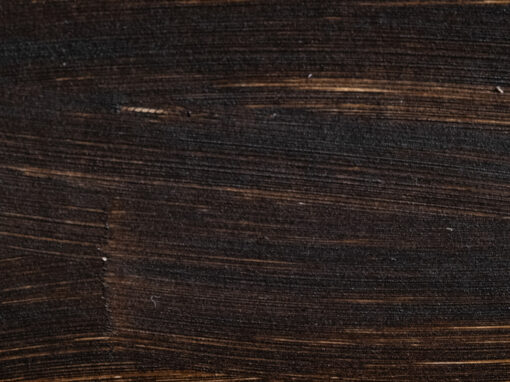
Raw Umber **
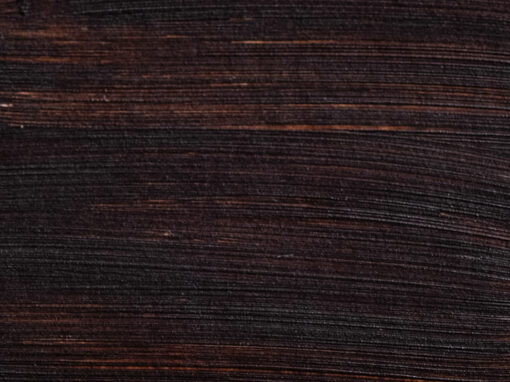
Burnt Umber **
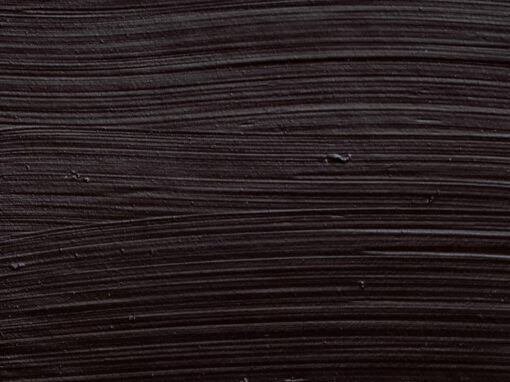
Brown Madder Alizarin **

Greenish Umber **
Green Earth
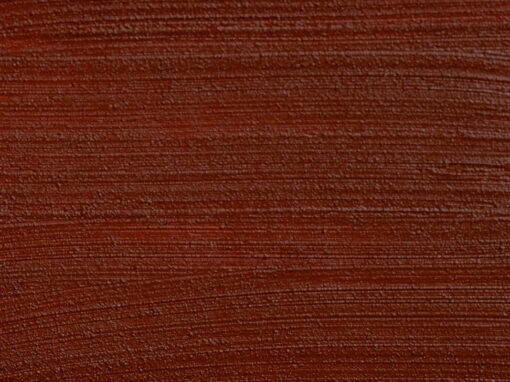
Mars Orange ***
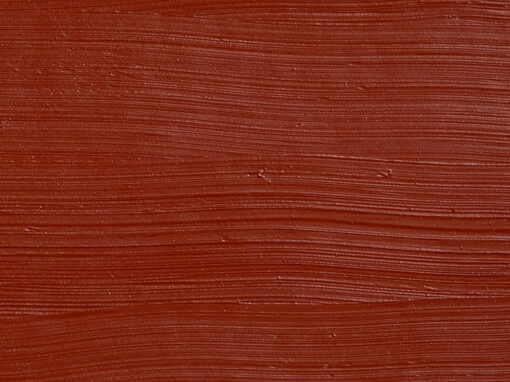
Venetian Red ***
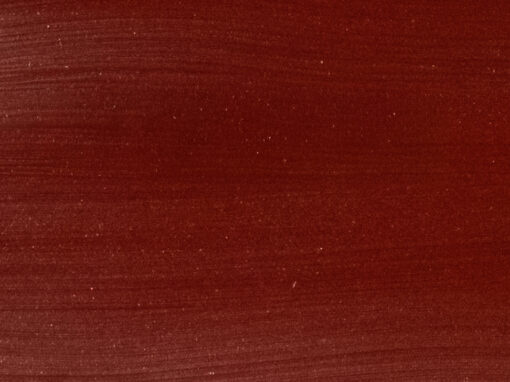
Indian Red ***
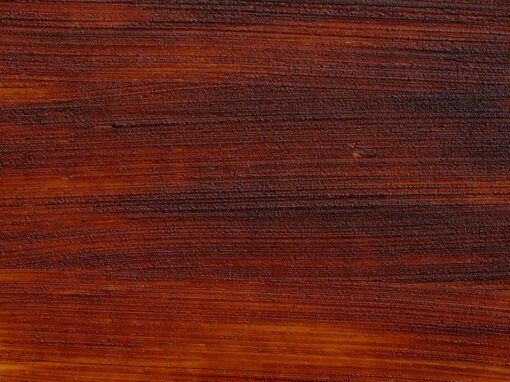
Transparent Earth Orange *
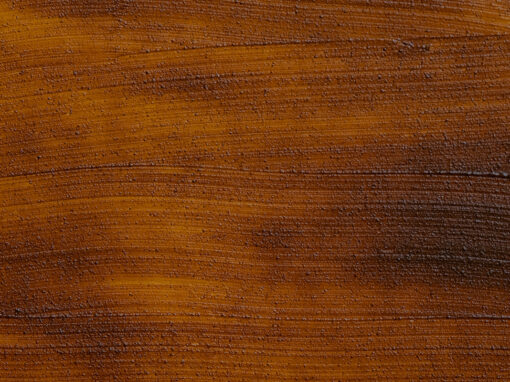
Transparent Earth Yellow *
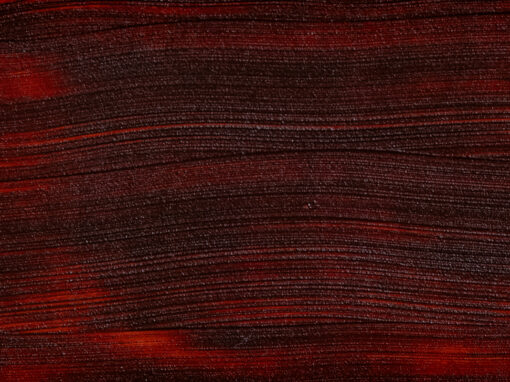
Transparent Earth Red *
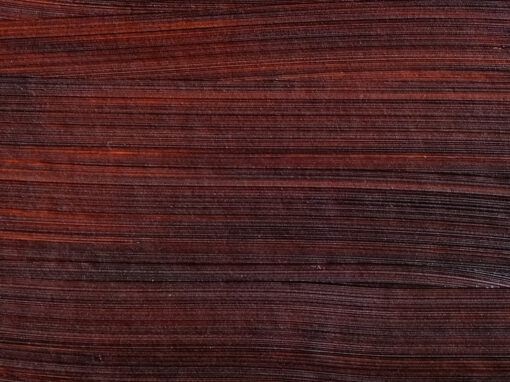
Transparent Earth Brown *
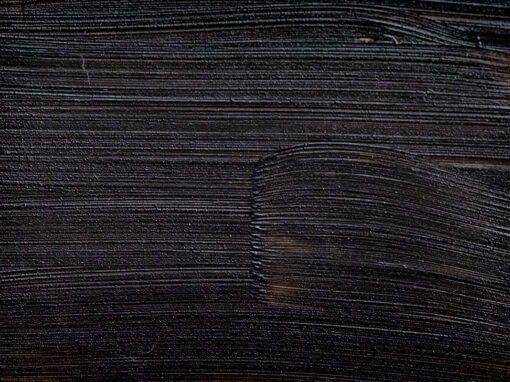
Van Dyke Brown **
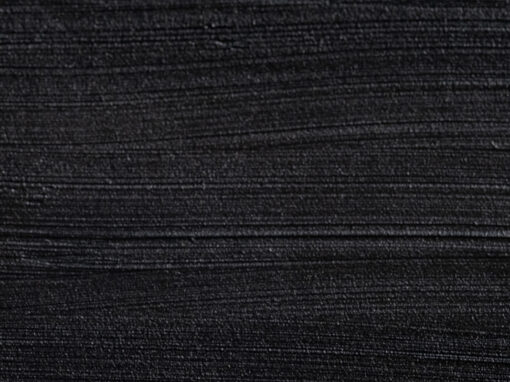
Ivory Black **
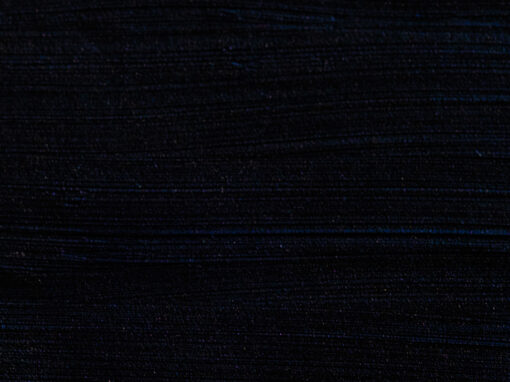
Lamp Black *
Chromatic Black
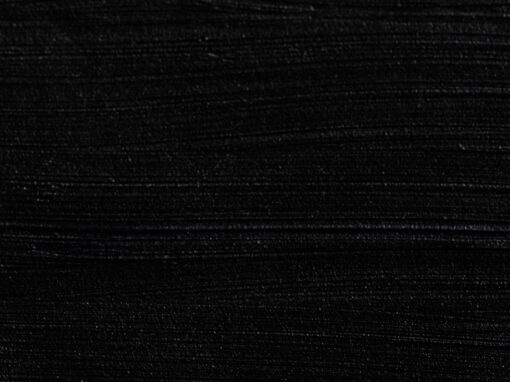
Black Spinel ***
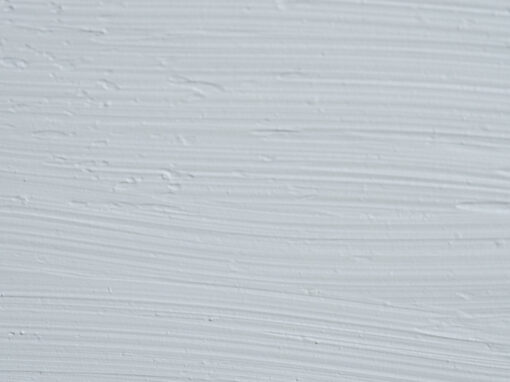
Titanium White ***
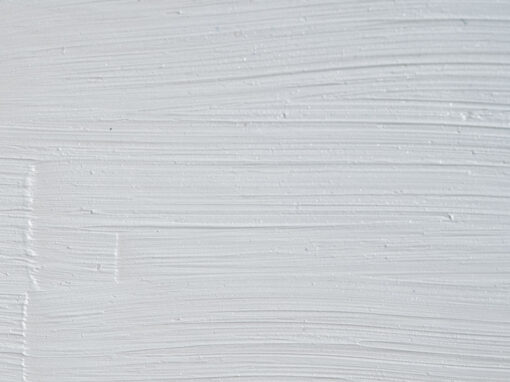
Extender White *
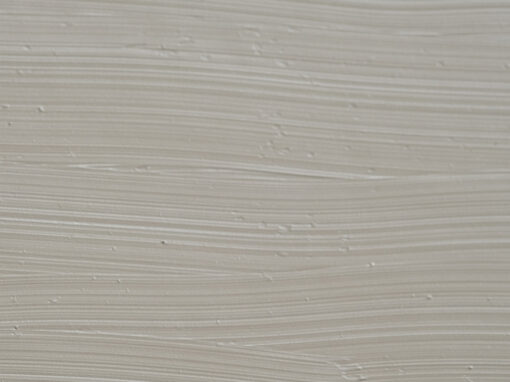
Titanium Buff ***
Warm Aging Glaze
Cool Aging Glaze
TRANSPARENCY KEY: Transparent * | Semi Transparent ** | Opaque ***
Opacity/Transparency are important qualities of paints to many conservators
Here are all the colors divided up into three palettes that share important color characteristics
- Opaque and Semi-Transparent Colors
- Transparent Colors
- Neutral and Earth Colors