The Development of Gamblin Conservation Colors (GCC)
About
The Story of GCC begins with the contribution of Gamblin Artists Colors.
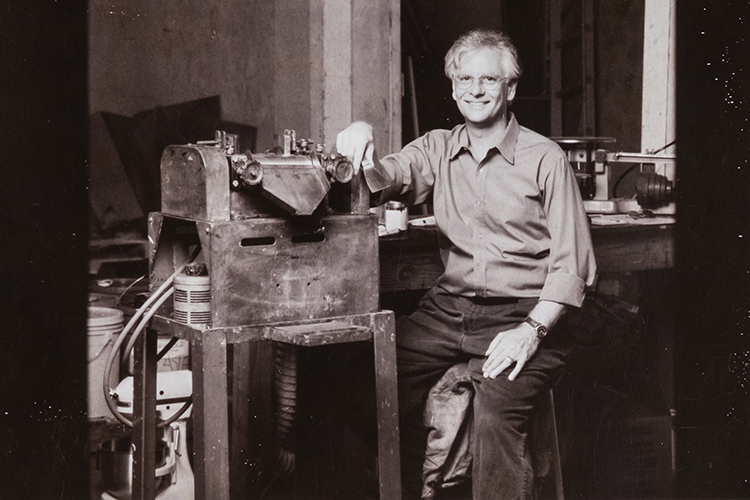
In 1980, 10 years after going to art school, Robert Gamblin founded Gamblin Artist Colors, a company serving contemporary artists with oil colors and painting mediums. Nine years in, the brand had achieved a very good reputation in art circles.
Robert’s work as a paint maker came to the attention of CAL Smithsonian, Washington DC. who invited him to bid on a job to make 138 paints. The lab identified 40 historical pigments they wanted made into colors to then test and write a paper describing best processes to approach cleaning those colors.
Robert saw this as an opportunity to deepen his knowledge of pigments and binders.
He flew to Washington D.C. from Portland Oregon to meet with Marion Mecklenburg and Charlie Tumosa, the scientists at the Smithsonian. He told them he was passionate about making oil colors, was the best person to do the work, and that he would make the colors in the spirit of a colorman working in the 1700’s. His bid was accepted.
By that time, Robert knew that the deep knowledge of materials had left the artist’s studio when color making left the studio. He acquired that knowledge from years of working at the mill making the 100 colors of the contemporary artist’s palette.
CAL Smithsonian provided the pigments and oils. All the pigments were ground into cold pressed linseed oil, but a few were made in five additional oils: acid refined linseed, walnut, poppy, stand, and sun thickened.
Verdigris, gamboge, realgar, smalt, azurite, lapis were some of the pigments. Until that time Robert had only read about these colors.
Verdigris was a real surprise. The story in pigment handbooks was that it was so chemically unstable that it was difficult to paint with, requiring it to be used in isolation of other materials and the environment. It did not seem worth the trouble. But upon making the color he understood why it had been in use since antiquity. Verdigris was beautiful, a revelation, intense, transparent, unique among all the pigments. He surmised it must have been the “Phthalo Green” of preindustrial revolution pigments. It was the color of an emerald.
Not only did the project give Robert a powerful connection to the past, the project also revealed to him the world of art conservation. He wondered, if CAL Smithsonian is working on these projects, what are other labs working on?
This is the fork in the road that leads directly to the beginnings of GCC. Robert started visiting other conservation studios. First was the conservation department at the National Gallery in D.C. There he met the Chief of Conservation Ross Merrill, Jay Kruger, conservator for modern paintings, and René de la Rie who was head of the science department.
René gave Robert copies of his department’s recently published paper studying low molecular weight modern resins that might be good substitutes for natural resins. Robert understood the value of a stable replacement for natural resins, and he requested permission from the National Gallery to allow Gamblin Artists Colors to make a version of René’s published formula for a varnish based on Regalrez® 1094. This became the product Gamvar®, which has perhaps become the most popular artist’s picture varnish in America today.
Research into a new inpainting color
The success of the research at the National Gallery into modern resins led René to question if one of the resins identified in the research would make a good binder for an in-painting color.
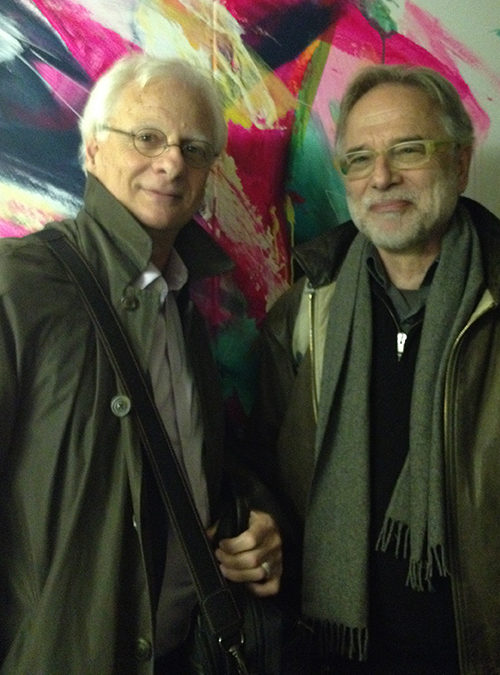
In 1994 René gathered a small team of himself, Mark Leonard, who was then head of conservation at the Getty Museum, and Jill Whitten, who was a new hire at the National Gallery. The team began to study whether an aldehyde resin based in-painting color would work and if it would prove to be as stable as the resin was when tested by itself. They worked with Laropal® A-81, a product of the BASF group.
In 1995 they invited Robert to join them as the paint maker. The test batches of this new color were sent to 25 museums in Europe and North America for use and feedback. The color had excellent optical and handling properties.
At the end of the project, at the 2000 IIC congress in Melbourne, two scientific papers on the project were delivered.
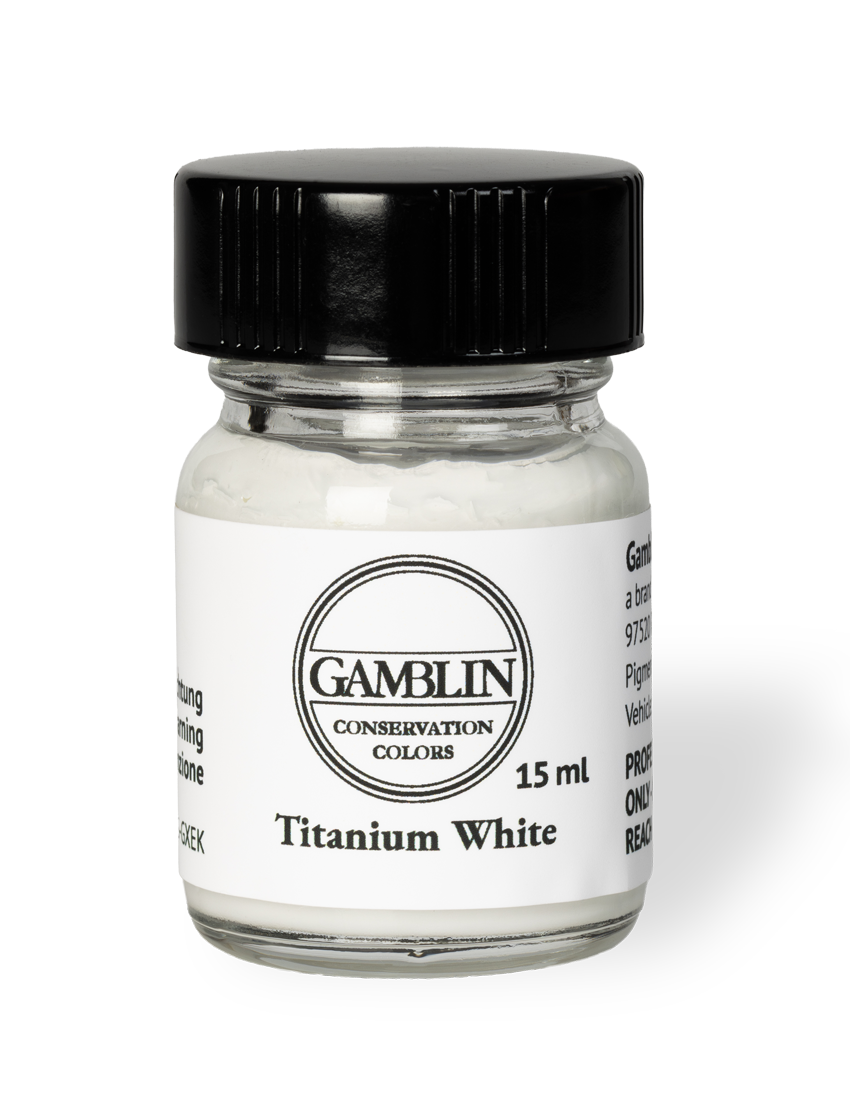
Robert brought the colors to market as Gamblin Conservation Colors.
Published results of the research
These links will take you to the two papers from the 2000 IIC Congress.
“Development of a New Material for Retouching“
Authors: Mark Leonard, Jill Whitten, Robert Gamblin & René de la Rie
“An Investigation of the Photochemical Stability of Urea-aldehyde Resin Retouching Paints“
Authors: René de la Rie, Suzanne Quillen Lomax, Michael Palmer, Lisha Deming Glinsman & Christopher Maines
Final comments: Conservation Science
An important takeaway from this story is that GCC makes the only color for inpainting that is the product of a conservation science research project. Conservators from Europe and America contributed an important advisory role giving feedback through their testing of the material on paintings they were currently restoring.
The testing showed that the Laropal® resin based in-painting color is stable, reversible, and incredibly versatile. In addition to paintings, the colors proved to be suitable for restoring sculpture, objects, ceramics, furniture, and even photography.
The original palette of colors, as designed by Mark Leonard, was 22 colors; over the next few years Robert increased that palette to 50 colors by including several high strength modern organic pigments and other colors to meet the needs of conservators and restorers.
Going Forward
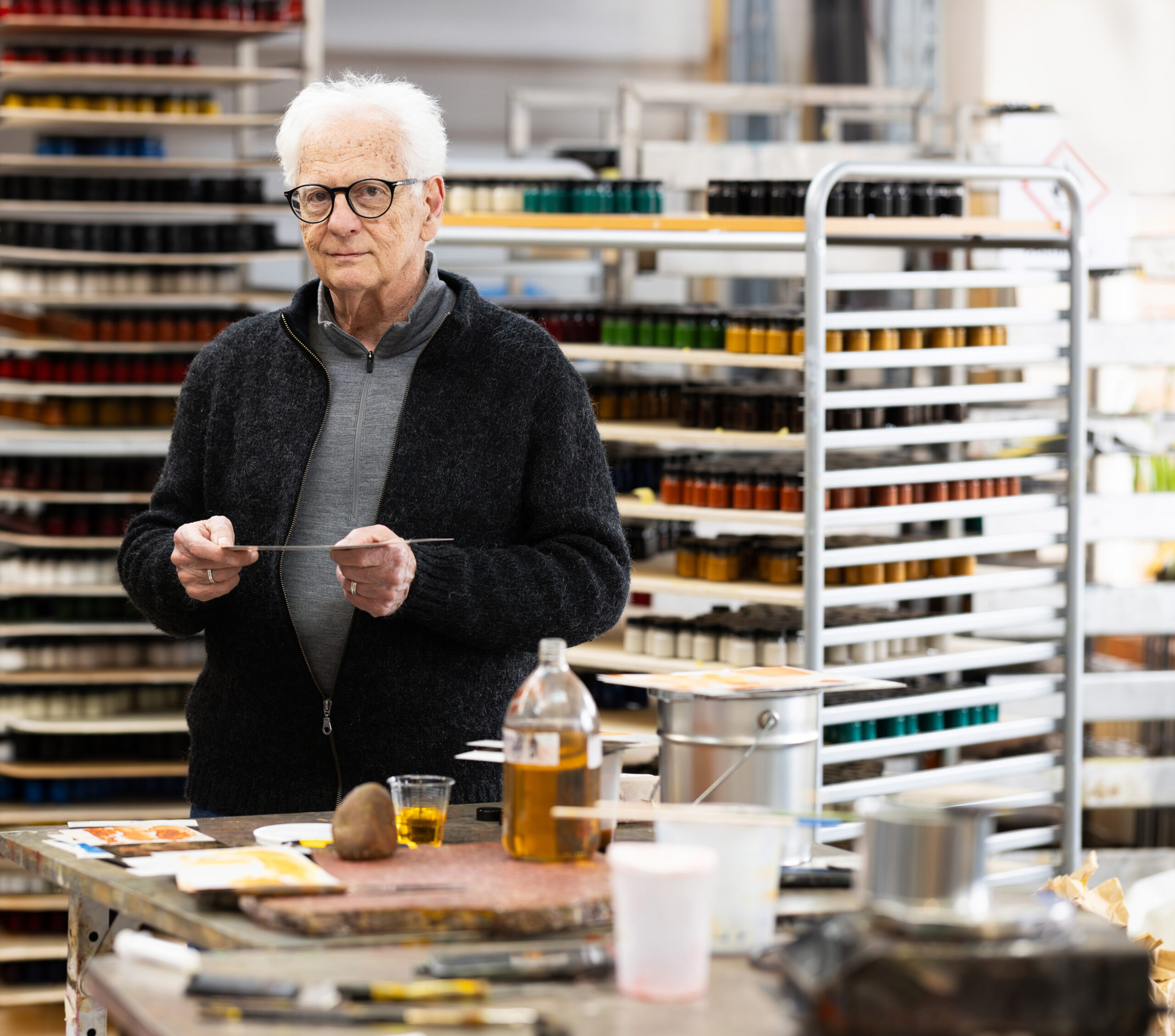
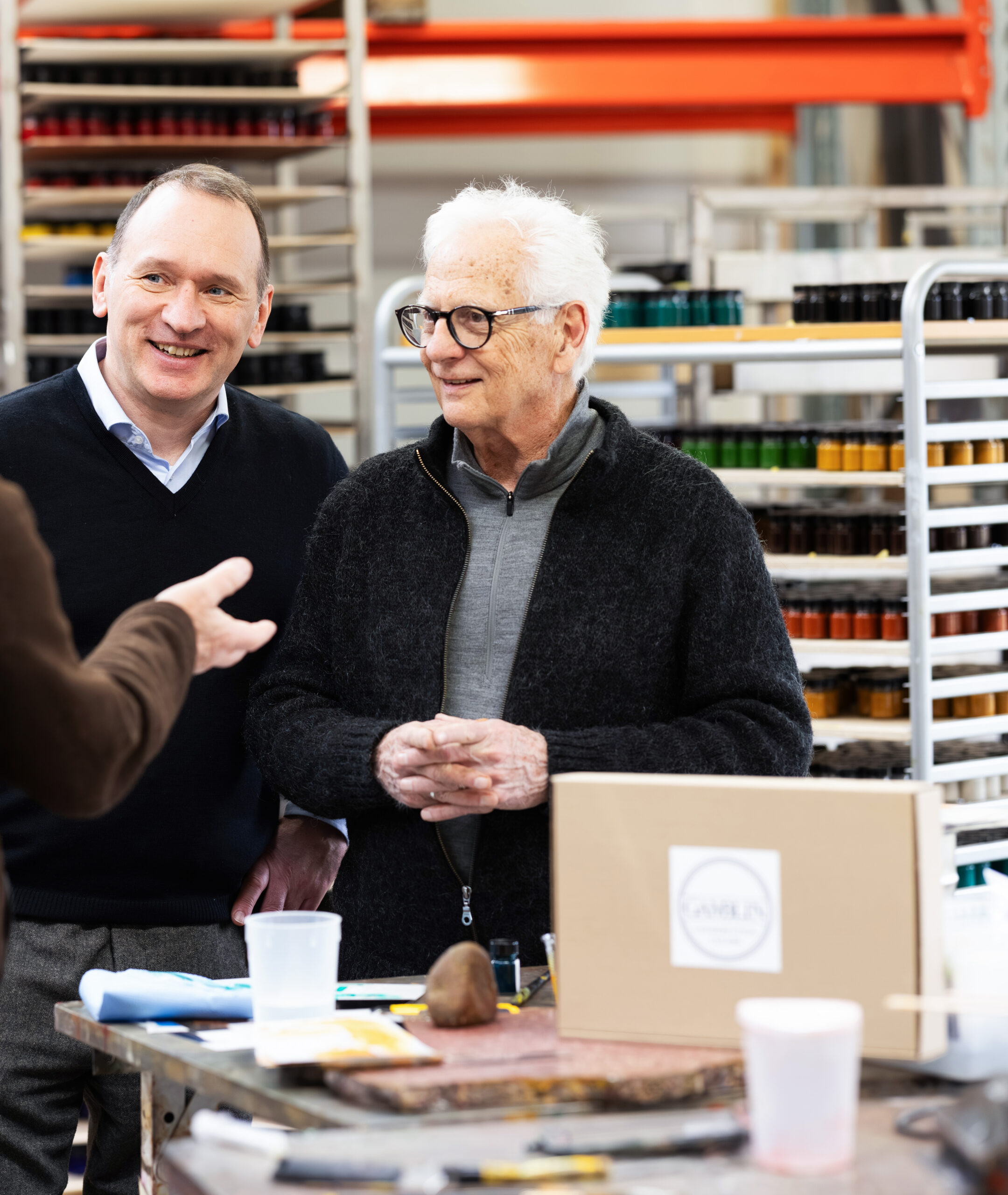
Gamblin Conservation Colors were made in Portland, Oregon, USA within the Gamblin Artists Colors factory until 2025. Robert then moved the brand to Europe. GCC is now an independent brand based in Germany under the umbrella of Färg GmbH. Robert serves as the technical director, and Ralph-Uwe Johann is the managing director.
To ensure a reliable and sustainable future for the colors, Robert relocated production to Sweden. The move was also a natural choice on a personal level: Catherine, Robert’s wife, has deep family roots in Sweden, and the couple has spent significant time there over many years.
With Ralph-Uwe taking responsibility for the business operations, logistics, and dependable supply of the colors, Robert is able to focus entirely on what he does best – developing and producing exceptional colors. This partnership ensures both the consistent availability of the products and the uncompromising quality standards that have always defined GCC.
The Evolution of Gamblin Conservation Colors
1980
The Beginning of a Vision
Robert Gamblin starts Gamblin Artists Colors.
1989
First Work to support Conservation
Project with CAL Smithsonian introduces Robert to the field of art conservation.
Meets René de la Rie at the National Gallery and learns about their research into modern low molecular weight resins including Regal Rez® 1094 from Hercules, and Laropal@ A-81 from BASF.
1994
Beginning of Inpainting Research
René de la Rie, Mark Leonard, and Jill Whitten start the research project into making an aldehyde resin based retouch color at the National Gallery Washington.
1995
Joining the Team
Robert is asked to join the research team as the paint maker.
2000
Global Reach
IIC Melbourne, research papers delivered on the project, and founding of Gamblin Conservation Color.
GCC quickly becomes the standard by which other colors are measured.
2012
Continued Excellence
Pigmented Wax Resin (PWR) for fills developed in collaboration with James Hamm of the Buffalo State University’s art conservation program.
2025
Going Solo
GCC becomes an independent brand and has relocates operations to Europe.
2026
Growing GCC
With new resources available to the brand, new colors introduced for the first time since 2004. There is more to come.